If you are deciding between a condo and a rowhome in Old City, you are not just choosing a floor plan. You are choosing how you want to live day to day in one of Philadelphia’s most walkable and historic neighborhoods. From stairs and parking to maintenance and building rules, the right fit often comes down to your routine, your budget, and how hands-on you want to be as an owner. Let’s dive in.
Why the choice feels so different
Old City has a dense historic street grid and a lifestyle built around walking, transit, dining, and everyday convenience. The neighborhood has also seen strong residential growth, which helps keep buyer interest active across different property types.
That makes the condo versus rowhome decision especially personal here. In many neighborhoods, buyers focus mostly on square footage. In Old City, practical details like access, storage, exterior upkeep, and parking can matter just as much.
What a rowhome means in Old City
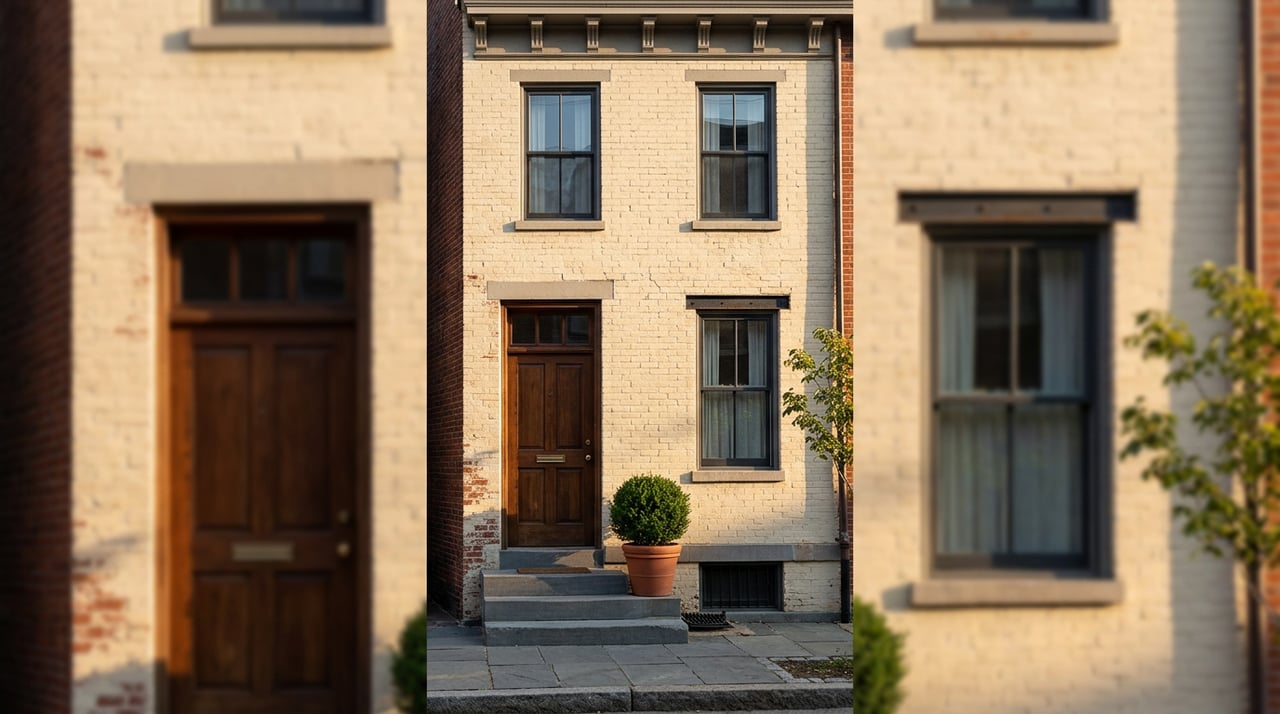
In Philadelphia, rowhomes cover a wide range of sizes and layouts. The Philadelphia Rowhouse Manual notes that rowhouses can range from compact trinity or bandbox homes to much larger town houses.
In Old City, that can mean a trinity house around 400 to 600 square feet, a double trinity or London house around 1,000 to 1,800 square feet, or a Federal or Georgian town house that reaches 3,000 to 7,000 square feet. In other words, “rowhome” is not one-size-fits-all here.
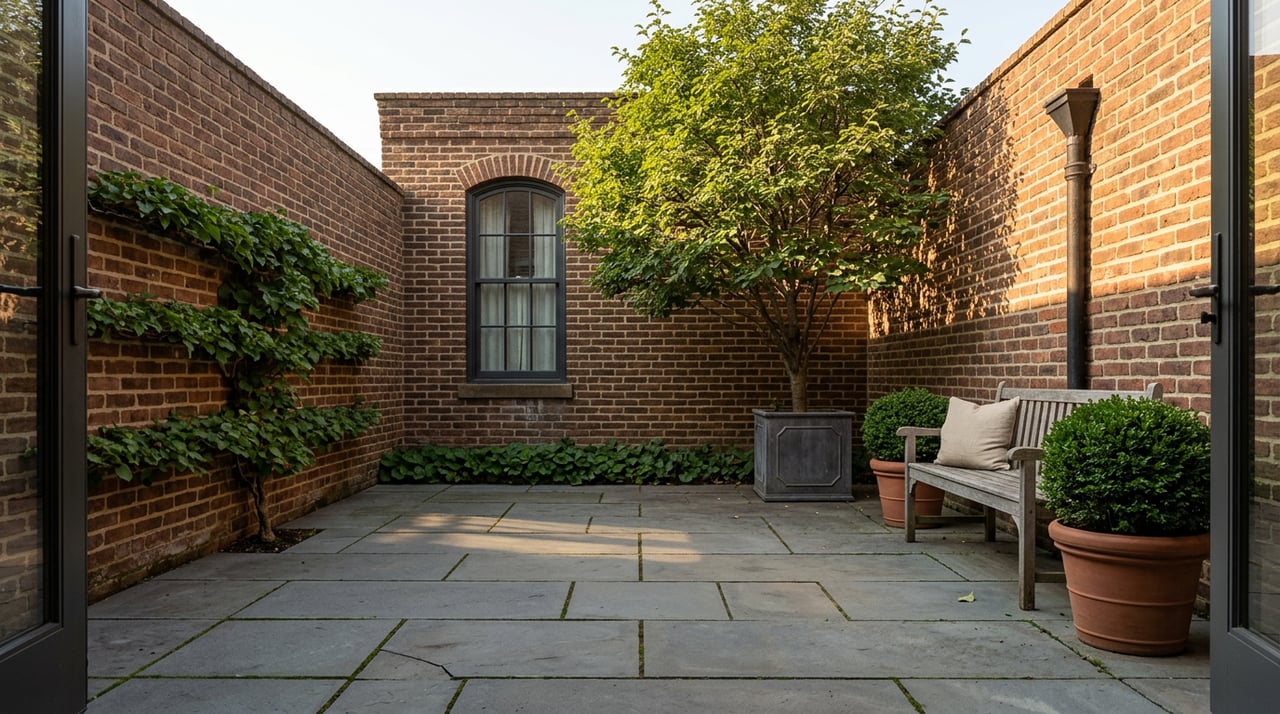
When you buy a rowhome, you are usually buying the whole building rather than a single unit in a shared property. That often gives you more privacy and more control over how the home functions. It can also mean more stairs, more systems to maintain, and more direct responsibility for the exterior.
What a condo means in Old City
Old City is often described as condo-heavy, with options that include modern high-rises, loft-style condos in converted industrial buildings, and units inside historic properties. For many buyers, that creates flexibility in both style and price point.
When you buy a condo, you are usually buying one unit within a shared building. That setup can be appealing if you want less direct responsibility for exterior upkeep and prefer a more streamlined ownership experience.
Some Old City condo buildings include off-street parking, while others rely on street parking or nearby garages and lots. That means each building can feel very different, even when the units themselves seem similar online.
Space and layout tradeoffs
Rowhomes often spread space vertically
A rowhome may offer more overall separation between living areas, bedrooms, storage, and work-from-home space. If you like the idea of having the whole building, that can feel more private and more flexible over time.
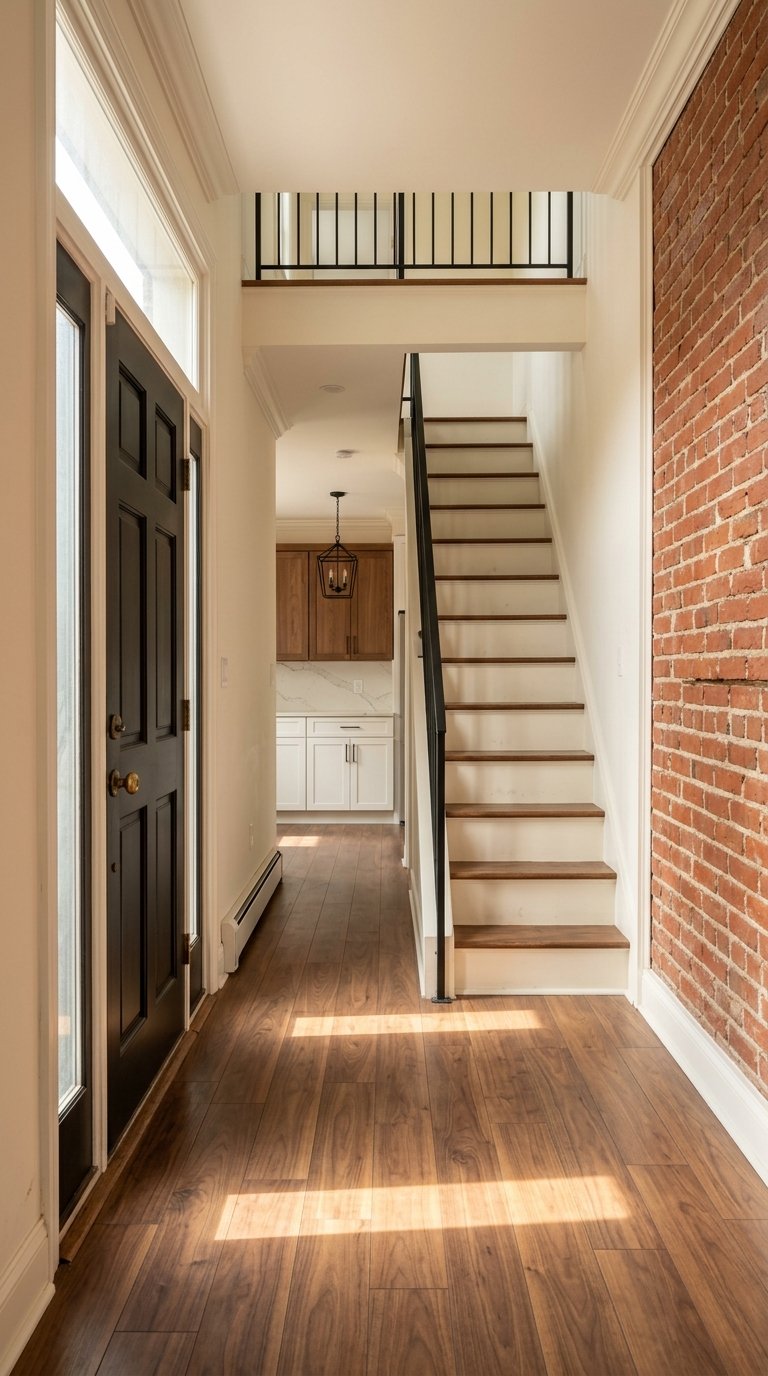
The tradeoff is that the space is often spread across multiple floors. In Old City, stairs are a real part of the daily experience in many rowhomes, especially in older homes with narrower footprints.
Condos often simplify daily living
A condo can offer a more efficient layout on one level or within a smaller footprint. That may make daily living feel easier if you want fewer stairs or a more lock-and-leave setup.
At the same time, your home is part of a shared property. That can mean less separation from neighbors and less control over building-wide decisions.
Maintenance and monthly costs
This is one of the biggest differences between the two options.
Rowhome maintenance is more direct
According to Philadelphia’s Rowhouse Manual, many rowhouse maintenance issues begin on the outside. Roofs, masonry, windows, and insulation are all major areas to watch.
If you own a rowhome, you usually carry that responsibility directly. That can be a good fit if you want control and are comfortable planning for repairs and upkeep as they arise.
Condo fees are part of the ownership model
Under Pennsylvania law, condominium associations must adopt budgets at least annually, collect common-expense assessments, and maintain reserve funds for future major repairs and replacement of common elements. That means condo fees are not just an add-on. They are part of how the property is operated.
A current Old City guide reports HOA fees ranging roughly from $300 to $2,000 per month, depending on the building, unit size, and services. That range is wide, so buyers need to look beyond the list price and understand the full monthly cost.
For financing and resale, the association can matter too. Condo project review tools used by lenders can affect whether a building meets lending requirements, which is one reason buyers should review association records carefully.
Parking and access in Old City
Old City sits within Center City’s highly walkable core, so many residents can live comfortably with less reliance on a car. Still, parking remains an important quality-of-life issue for many buyers.
If you are considering a condo, one building may include deeded or assigned parking while another may not. If you are considering a rowhome, parking can vary just as much depending on the block and the specific property.
Philadelphia also issues residential parking permits in certain areas, and permit holders in those permit areas do not have to pay meters there. Even so, if you drive regularly, it is worth thinking through your real routine, not just your ideal one.
Ask yourself:
- How often do you use a car each week?
- Are you comfortable relying on street parking?
- Would nearby garage or lot parking fit your budget?
- Do stairs, entry access, or package delivery matter to your day-to-day comfort?
Historic review can affect your plans
A big part of Old City’s appeal is its historic character. That charm can also shape what ownership looks like, especially if you are thinking about changes to the property.
The Philadelphia Historical Commission says properties on the Philadelphia Register of Historic Places need approval for work that requires a building permit, especially exterior changes to facades, roofs, and related features. The Old City historic district manual also emphasizes regular maintenance and notes that repair or in-kind restoration is generally preferred over unnecessary alteration.
This often matters more directly with rowhomes and converted historic buildings, where exterior work can affect both cost and timing. If you love the idea of historic details but want fewer exterior decisions, a condo may feel simpler depending on the building structure and rules.
Resale considerations in Old City
Old City’s appeal is tied to both its location and its identity. The neighborhood continues to add housing and residents, which supports an active owner-occupant market.
At the city level, recent data show that condos and attached homes do not always move in the same direction at the same time. Homes.com reported that in Philadelphia in May 2026, single-family median prices rose 3.3% to $500,000, townhome prices rose 0.3% to $315,000, and condo prices fell 1.3% to $311,000. At the same time, other data have shown condo and co-op prices rising year over year in a different period, which is a reminder that condo performance depends on the market cycle.
Neighborhood-level pricing also varies by source. Zillow estimated the average Old City home value at $373,729, Realtor.com reported homes selling at 98% of asking in May 2026, and Homes.com showed a 12-month median sale price of $415,000 for Old City. These figures are not directly comparable, but together they suggest an active market.
For resale, condition and usability still matter. A well-kept rowhome with a workable layout, manageable maintenance, and features buyers value can stand out. A condo in a well-run building with clear records and appealing amenities can do the same.
Which option fits your lifestyle?
A condo may be a better fit if you want:
- Less direct responsibility for exterior maintenance
- A shared-building structure
- Potential access to parking or services offered by the building
- A more simplified day-to-day ownership experience
A rowhome may be a better fit if you want:
- More private control over your home
- More space spread across multiple floors
- The feeling of owning the whole building
- More comfort handling maintenance and historic-review considerations
Questions to ask before you decide
Before you choose between a condo and a rowhome in Old City, it helps to get very honest about how you live.
Ask yourself:
- Do you want convenience, or do you want more control?
- Are you comfortable budgeting for condo fees each month?
- Would you rather plan for repairs yourself?
- How do you feel about stairs every day?
- How important is parking to your routine?
- If the property has historic character, are you prepared for possible review requirements on exterior work?
These are the questions that usually lead to the right decision. In Old City, the better choice is rarely the one that looks best on paper alone. It is the one that fits your life now and still feels workable a few years from now.
If you want help weighing specific buildings, blocks, fees, layouts, or resale considerations in Old City, Conchetta Park can help you sort through the details and make a confident move.
FAQs
What is the main difference between a condo and rowhome in Old City?
- In Old City, a condo usually means owning one unit within a shared building, while a rowhome usually means owning the whole building, with more direct control and more direct maintenance responsibility.
Are condo fees common in Old City condo buildings?
- Yes. Condo fees are a standard part of condominium ownership, and a current Old City guide reports fees that can range from about $300 to $2,000 per month depending on the building, unit size, and services.
Do Old City rowhomes usually require more maintenance?
- Yes. Philadelphia’s Rowhouse Manual points to roofs, masonry, windows, and insulation as key upkeep areas, and rowhome owners usually handle that maintenance load directly.
Is parking easier with a condo or rowhome in Old City?
- It depends on the specific property. Some condo buildings include off-street parking, while others rely on street parking or nearby garages, and rowhome parking varies by block and property setup.
Do historic rules affect Old City homes?
- They can. If a property is on the Philadelphia Register of Historic Places, exterior work that requires a building permit may need approval, especially for changes to facades, roofs, and related features.
Is a condo or rowhome better for resale in Old City?
- Neither is automatically better. In Old City, resale often depends on condition, layout, location, building management in the case of condos, and practical features like maintenance demands and parking.