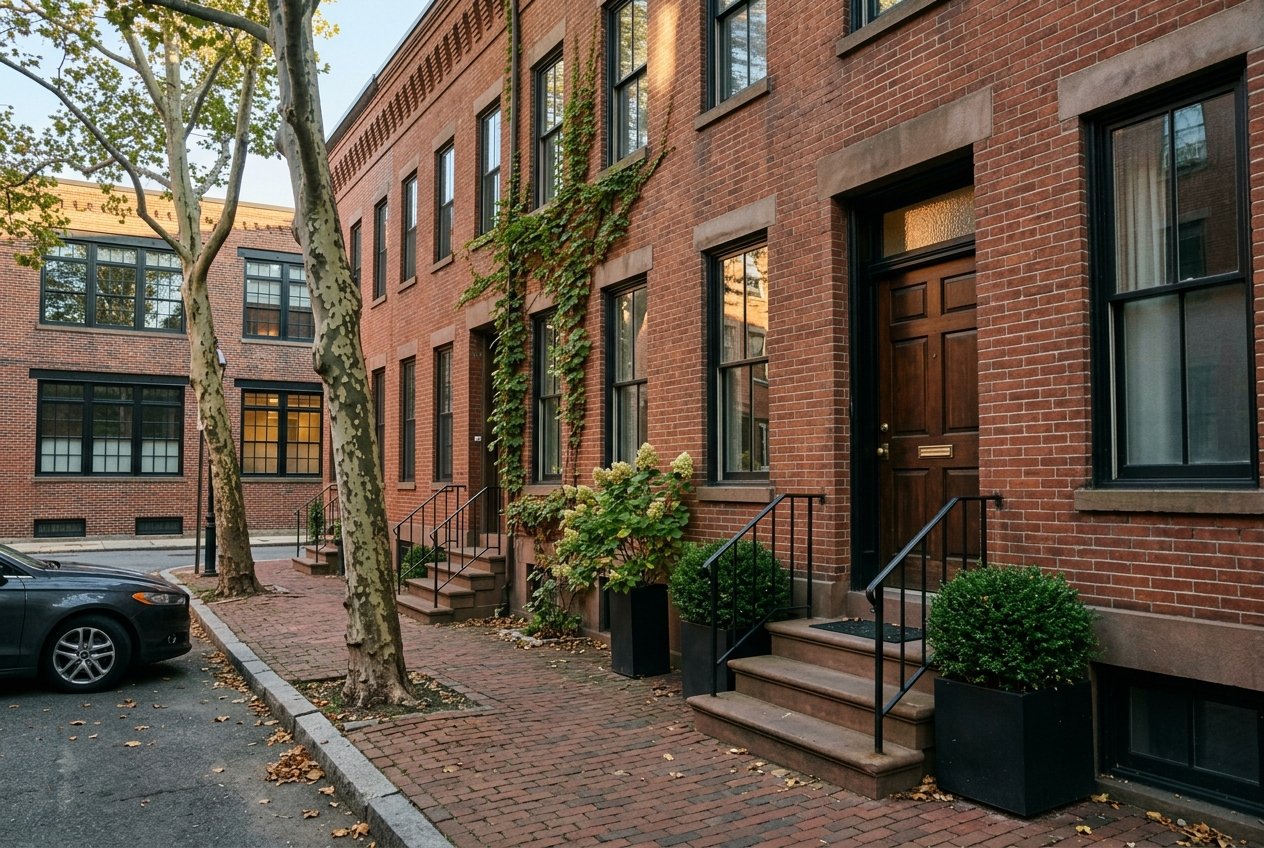
Do you want a Philadelphia neighborhood where history is part of your daily routine, not just something you visit on the weekend? If you are comparing walkable city neighborhoods, Old City often stands out because it blends classic architecture, easy access to Center City, and a strong mix of dining, arts, and waterfront activity. If you are thinking about moving here, this guide will help you understand what everyday life in Old City actually feels like, from housing options to transit to the realities of owning in a historic district. Let’s dive in.
Old City at a glance
Old City is one of Philadelphia’s most historic neighborhoods, but it is also a very lived-in part of the city. The Old City District says its service area covers 22 blocks and includes about 8,000 residents, which gives you a sense of how compact and active the neighborhood is.
Planning documents describe the protected Old City Historic District as about 75 acres with roughly 800 structures and sites along the eastern edge of Center City. In practical terms, that means Old City feels dense, layered, and urban, with a lot of architectural character packed into a relatively small area.
If you are looking for a neighborhood with a quieter, more spread-out residential feel, Old City may feel busier than some other parts of Philadelphia. If you like the energy of being close to restaurants, galleries, historic landmarks, and the waterfront, that same density can be a major plus.
Walkability in Old City
One of Old City’s biggest lifestyle advantages is how easy it is to get around on foot. Visit Philadelphia centers the neighborhood around 5th and Arch Streets and notes that many attractions are clustered close together, making it one of the city’s most walkable areas.
That walkability matters whether you are heading out for coffee, meeting friends for dinner, or running basic errands. In a neighborhood like Old City, your daily routine can feel less car-dependent and more connected to the streets around you.
The neighborhood also benefits from active management by the Old City District, which supports supplemental maintenance, public safety, economic development, and promotion. For residents, that can translate into a streetscape that feels cared for and active even in a dense historic setting.
Transit and car-light living
If you do not want to rely on a car every day, Old City offers strong transit access. SEPTA says you can reach the area via the Market-Frankford Line at 2nd Street or 5th Street/Independence Hall, along with bus routes 5, 9, 17, 21, 33, 42, 44, 48, and 57.
That range of transit options can make commuting and getting around the city simpler, especially for buyers relocating from other urban areas who expect to use public transportation regularly. It also helps if you want flexibility without committing to daily driving.
Of course, car-light living is different from car-free living. Your own routine, work location, and travel habits will shape how practical that feels for you, but Old City is one of the Philadelphia neighborhoods where going without a car is a realistic option for many residents.
Waterfront access adds to daily life
Old City’s location near the Delaware River gives it another layer that not every Center City-adjacent neighborhood has. The area connects to the Delaware River Trail near Race Street Pier, Penn’s Landing, and seasonal destinations like Spruce Street Harbor Park and RiverRink Winterfest and Summerfest.
That means your lifestyle here can include quick walks to the waterfront, scenic outdoor time, and easy access to seasonal events. For some buyers, that nearby riverfront access is a nice balance to the neighborhood’s dense, historic street grid.
It also gives Old City a slightly different rhythm than neighborhoods that are fully inland. You get the urban energy of a central location, plus the benefit of being close to open-air public spaces along the river.
Dining and arts are part of the neighborhood identity
Old City is not just a place with a few good restaurants or occasional gallery spaces. Old City District describes it as Philadelphia’s hub for art and design, with more than 30 art galleries and home décor showrooms.
That creative identity shows up most clearly during First Friday, when galleries debut new exhibits and businesses stay open late. The neighborhood’s event calendar continues to reflect that strong connection to art openings and cultural programming.
Visit Philadelphia also notes that Old City is known for award-winning restaurants and a cutting-edge art scene. If you live here, going out for dinner can easily turn into an evening that includes gallery hopping, a walk through the neighborhood, and time with friends without ever needing to leave the area.
What weekday life feels like
When people first picture Old City, they often imagine the busiest moments: First Friday, summer waterfront events, or weekends with more visitors in the area. That is part of the neighborhood, but it is not the full story.
Old City is also a place where people live, work, shop, and meet throughout the week. The Old City District’s focus on keeping the neighborhood functioning across all of those uses helps explain why it feels active on a regular Tuesday, not just during special events.
If you are considering a move here, it helps to think of Old City as a mixed-use urban neighborhood rather than a purely residential one. That is a good fit for buyers who want convenience and energy close at hand, and less ideal for those who want a more tucked-away residential environment.
Housing types in Old City
Old City has a distinct housing mix compared with many other Philadelphia neighborhoods. The Old City District describes local housing as including historic townhouses, industrial loft apartments, and new condominium properties.
That mix is one reason the neighborhood appeals to a wide range of buyers. You may find yourself choosing between a classic rowhome feel, a loft-style space with industrial character, or a newer condo with a more modern layout and amenities.
Detached houses are not the story here. Buyers usually think in terms of historic townhouses, classic rowhomes, lofts, and condos, which aligns with the neighborhood’s dense urban form and long development history.
Architecture gives Old City its character
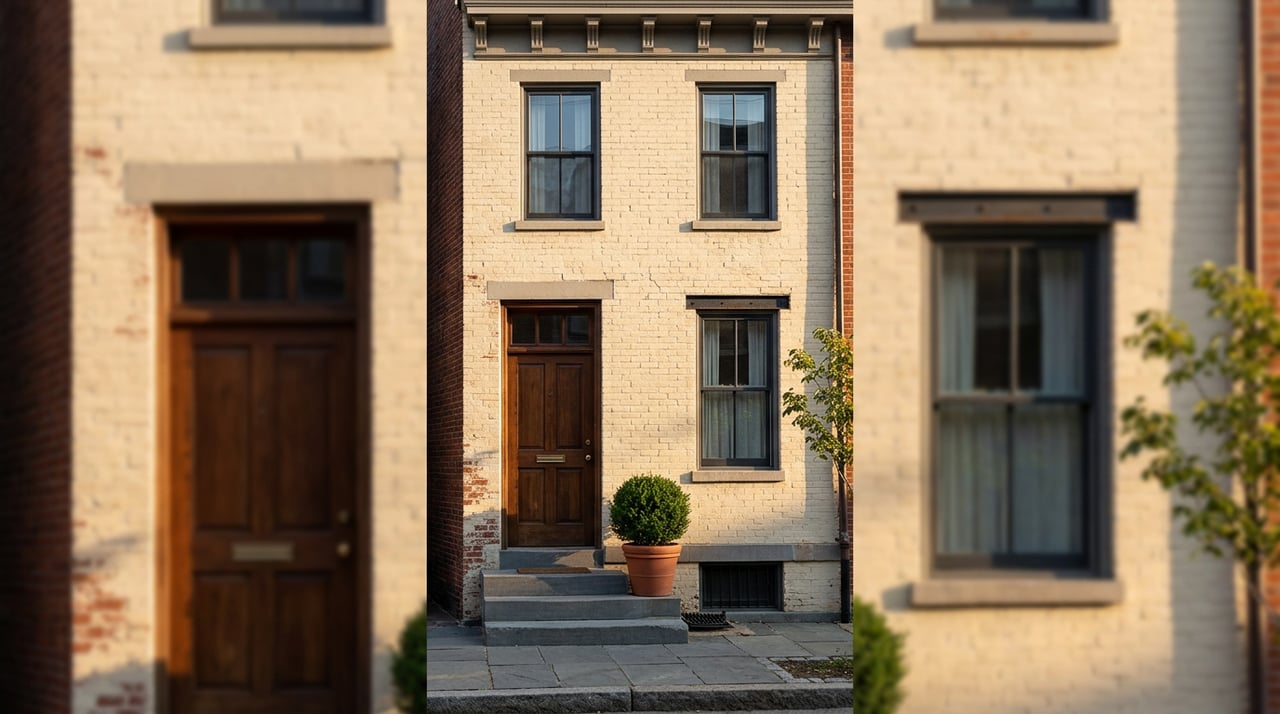
Old City’s architecture is one of its strongest draws. Official historic-district materials describe a mix of civic, residential, ecclesiastical, commercial, industrial, and maritime architecture, with many surviving buildings originally erected for commercial use in the 19th century.
Georgian architecture is dominant in the older building fabric, while later Federal, Italianate, and cast-iron buildings add more variety along streets like Market, Chestnut, and 3rd. That layered look is a major reason why Old City feels so visually distinct.
For buyers, this often means you are not just buying square footage. You are also buying into a setting where building style, streetscape, and historic details shape the experience of living there.
What to know about historic-district ownership
If you are drawn to Old City’s architecture, it is important to understand what can come with that. Because many properties are part of the Philadelphia Register of Historic Places, exterior changes often require approval from the Philadelphia Historical Commission.
According to the city, that review commonly covers features such as windows, doors, roofs, façades, stoops, and railings. So if you are buying a historic property and already thinking about updates, you will want to factor that review process into your plans.
This does not mean historic ownership is a bad thing. It simply means you should go in with clear expectations, especially if preserving or altering exterior features will be part of your long-term goals.
Who Old City fits best
Old City tends to work best for buyers who want a compact, amenity-rich urban neighborhood where history and convenience overlap. If walkability, transit access, restaurant options, gallery culture, and a strong sense of place matter to you, Old City checks a lot of boxes.
It can be especially appealing if you are relocating to Philadelphia and want a neighborhood that feels central and easy to explore right away. It also suits buyers who appreciate architecture and do not mind the tradeoff of having less private space than they might find in a more residential section of the city.
If your top priorities are a quieter environment or a more purely residential setting, you may want to compare Old City with neighborhoods that offer a different pace. The right fit really comes down to how you want your day-to-day life to feel.
Why local guidance matters in Old City
In a neighborhood like Old City, the details matter. The difference between one block and another, one building type and another, or one condo setup and another can have a big impact on your day-to-day experience.
That is why local context is so important when you are buying, selling, or relocating within Philadelphia. Understanding the lifestyle, housing mix, and historic considerations can help you make a more confident decision instead of choosing a neighborhood based on reputation alone.
If you are weighing Old City against other Center City and nearby neighborhoods, having practical guidance can make the process feel much clearer. For tailored help buying, selling, or relocating in Philadelphia, connect with Conchetta Park.
FAQs
What is daily life like in Old City, Philadelphia?
- Daily life in Old City feels walkable, urban, and active, with easy access to restaurants, galleries, transit, and the waterfront in a compact historic neighborhood.
What kinds of homes are common in Old City?
- Old City is known for historic townhouses, industrial loft apartments, classic rowhome-style options, and newer condominium properties rather than detached houses.
Can you live in Old City without a car?
- Many residents can support a car-light lifestyle in Old City because of its walkability and access to SEPTA’s Market-Frankford Line and several bus routes.
Is Old City a historic district?
- Yes, Old City includes a protected historic district, and many properties are part of the Philadelphia Register of Historic Places.
What should buyers know about renovating a home in Old City?
- If a property is historic, exterior changes such as windows, doors, roofs, façades, stoops, and railings may require approval from the Philadelphia Historical Commission.
Is Old City more residential or more visitor-focused?
- Old City is a mixed-use neighborhood that supports daily residential life while also drawing visitors for dining, arts, history, and seasonal waterfront activity.